Chimney Flashing Repair in Fairfield That Actually Stops Leaks
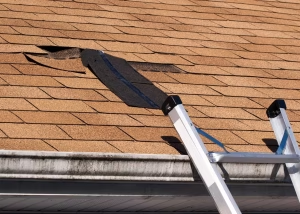
If you’ve got water stains on your ceiling near the chimney, or you notice drips coming down the side of it every time it rains, your chimney flashing is probably shot. This is one of the most common leak sources we see in Fairfield homes, and it’s something that gets worse fast if you don’t deal with it.
Chimney flashing is the metal barrier that seals the gap between your chimney and your roof. When it’s installed right, water runs right over it and down the roof. When it fails—from rust, improper installation, or just age—water gets behind it and into your house. That’s when you get ceiling damage, rotted roof decking, and mold problems.
Ace Roofing NJ has been fixing and installing chimney flashing for homeowners throughout Fairfield and Essex County for years. We know how to do it right, using materials that’ll last and techniques that actually keep water out. Whether your flashing is rusted through, was never installed correctly in the first place, or just needs some maintenance before it becomes a problem, we can help.
Step Flashing Installation & Repair
Step flashing is the L-shaped metal pieces that run up the sides of your chimney, woven between the shingles and tucked into the mortar joints. Each piece overlaps the one below it, creating a waterproof barrier that directs water down and away from the chimney.
When step flashing fails, it’s usually because the pieces have rusted through, they were never properly embedded in the mortar, or a roofer pulled them out during a roof replacement and didn’t put them back right. We see all three situations constantly in older Fairfield homes.
Our chimney flashing repair work includes removing the old step flashing, cutting new pieces from aluminum or copper (depending on what makes sense for your roof), and installing them properly—one piece at a time, sealed into the mortar joints with polyurethane caulk, and woven correctly with the shingles.
Quick tip: If you’re getting a new roof and the roofer says they’ll “reuse the old flashing,” push back. Flashing is cheap compared to the labor involved in the roof replacement. New flashing is always the smart move.
Counter flashing is the metal that’s embedded into your chimney’s mortar joints and hangs down over the base flashing. It’s the second line of defense against water getting in, and it’s critical for keeping everything sealed.
The problem with counter flashing in Essex County is that it’s usually made of aluminum or galvanized steel, and after 20-30 years of New Jersey weather, it rusts or corrodes. Once that happens, water gets behind it and you’ve got leaks.
We replace counter flashing by carefully removing the old pieces, cutting new metal to the right size, and embedding it properly into the mortar joints. The bottom edge overlaps the step flashing below it, creating a layered system where water can’t get through.
For homes in West Caldwell and Roseland with older chimneys, counter flashing replacement is often needed when the chimney itself is getting repointed. We coordinate with masons all the time to make sure the flashing and mortar work are done together.
Base flashing—sometimes called apron flashing—runs across the downhill side of your chimney where it meets the roof. This is where water naturally wants to flow, so this piece of flashing takes the most abuse.
We see a lot of chimneys in Fairfield where the base flashing was installed flat against the roof instead of being properly angled to shed water. Or it’s secured with roofing cement instead of being mechanically fastened and properly sealed. Both of those shortcuts lead to leaks.
When we install base flashing, we make sure it extends up the face of the chimney at least 6 inches, overlaps the shingles below it, and is sealed into the mortar joint at the top. The metal needs to be thick enough to handle the water flow without bending or corroding.
If your chimney sits in a valley or gets a lot of water runoff, we sometimes install a cricket or saddle behind it to divert water around instead of letting it all flow down the front. That takes pressure off the base flashing and helps it last longer.
A cricket—also called a saddle—is a small peaked structure built behind a chimney to divert water around it instead of letting it dam up and sit there. If your chimney is more than 30 inches wide and sits on a sloped roof, building codes usually require a cricket.
But a lot of older homes in Fairfield were built before that code existed, so the chimney just sits there flat on the roof. Water flows down, hits the chimney, and has nowhere to go. It sits there, finds any tiny gap in the flashing, and gets in.
We build crickets out of plywood and shingles to match your roof, then flash them properly with metal that ties into the chimney flashing system. It’s extra work upfront, but it solves a problem that causes leaks year after year.
For chimneys in Caldwell and Essex Fells that have been leaking for years despite multiple “repairs,” adding a cricket often fixes the problem for good. The water finally has somewhere to go instead of pooling behind the chimney.
Copper flashing costs more than aluminum, but it lasts 50+ years without rusting or corroding. If you’re planning to stay in your Fairfield home long-term, or if you’ve got a high-end roof like slate or cedar shake, copper flashing is worth the investment.
We install copper chimney flashing on homes throughout Essex County, especially on historic properties where the craftsmanship matters and homeowners want materials that’ll outlast them.
Copper develops a natural patina over time—that greenish color you see on old copper—and it actually protects the metal underneath.
The installation process is the same as aluminum flashing, but copper requires different tools and techniques to cut and shape it. We solder the joints on copper flashing instead of caulking them, which creates a truly permanent seal.
If you’ve got a slate roof or a home built in the early 1900s with original details you want to preserve, copper flashing is the right choice. It’s what these houses were built with originally, and it’s what’ll last.
When your chimney flashing fails during a storm and water’s pouring into your house, you need someone who’ll actually show up. We handle emergency chimney flashing repairs for homeowners throughout Fairfield and the surrounding areas.
Emergency work usually means getting up there in less-than-ideal conditions to temporarily stop the leak with roofing cement, tarps, or quick metal patches. Then we come back when it’s dry to do a proper permanent repair with new flashing.
The worst thing you can do when your chimney is leaking is wait. Water damage spreads fast, and what starts as a small ceiling stain can turn into rotted framing, ruined insulation, and mold problems if you don’t address it quickly.
If you’ve got a chimney flashing emergency—water coming in, obvious damage, anything that needs immediate attention—call us. We prioritize emergency calls and get someone out there as fast as we can.
If you’re getting a new roof, the flashing around your chimney needs to be done right. This is where a lot of roofers cut corners—they work fast, they skip steps, they reuse old flashing that should be replaced.
We install chimney flashing on new roofs using code-compliant methods and materials that’ll last as long as the roof itself. That means new metal cut to the right dimensions, properly embedded in the mortar, correctly layered with the underlayment and shingles, and sealed at every potential entry point.
For homeowners in Montclair and Livingston getting new roofs installed, we work with general roofing contractors or handle the whole project ourselves. Either way, the chimney flashing gets the attention it deserves instead of being treated as an afterthought.
Real talk: If your roofer says chimney flashing will “only take a few minutes” or they’ll “just seal it with tar,” find a different roofer. Proper flashing takes time and skill, and shortcuts here mean leaks later.
Chimneys aren’t all the same, and flashing techniques vary depending on what the chimney is made of. Brick chimneys, stone chimneys, and stucco chimneys all require slightly different approaches.
Brick and stone chimneys have mortar joints where we can embed the counter flashing. We cut a reglet—a small groove—into the joint, insert the metal, and seal it with polyurethane caulk. This creates a mechanical connection that won’t pull out over time.
Stucco chimneys are trickier because you can’t just cut into stucco and expect it to seal properly. We usually install a termination bar—a metal strip that’s mechanically fastened to the chimney—and lap the flashing into it. The stucco then gets patched around the bar to create a weathertight seal.
We’ve flashed all types of chimneys throughout Essex County, and we know what works for each material. The techniques matter because using the wrong approach means leaks, no matter how good the metal is.
Most chimney flashing problems start small. The sealant cracks, a piece of metal works loose, rust starts forming in one spot. Catch these issues during a routine inspection and you’re talking about a minor repair. Miss them and you’re dealing with water damage inside your house.
We inspect chimney flashing as part of roof inspections, or we can check it separately if you’re concerned about a specific chimney. We look for rust, gaps, loose or missing pieces, failed sealant, and any signs that water is getting past the flashing.
For older homes in Fairfield with original chimneys, we recommend having the flashing inspected every few years. The metal doesn’t last forever, and knowing when it needs attention lets you plan for repairs before you have an emergency.
During inspections, we’ll also check the chimney crown, the mortar joints, and the overall condition of the chimney itself. Sometimes flashing problems are caused by issues higher up—a cracked crown that’s letting water in, or deteriorated mortar that needs repointing.
Ice dams are brutal on chimney flashing. When snow melts, runs down the roof, and refreezes at the chimney, it creates a dam that forces water up and under the flashing. Even good flashing can fail under those conditions.
We see this a lot in Fairfield during winters when we get heavy snow followed by temperature swings. The ice builds up around the chimney, water backs up behind it, and suddenly you’ve got leaks you never had before.
Preventing ice dam damage means proper attic insulation and ventilation so your roof stays cold and snow doesn’t melt unevenly. But if you’re already dealing with ice dams, we can install ice and water shield underlayment around the chimney during flashing work to add an extra layer of protection.
For homes in North Caldwell and Verona where ice dams are a regular problem, this extra protection during chimney flashing installation makes a big difference. It’s not a substitute for fixing the insulation issue, but it helps prevent damage while you’re working on the bigger solution.
Common Chimney Flashing Problems in Fairfield & Essex County
Chimney flashing fails for predictable reasons around here, mostly related to age, weather, and poor installation.
Rust and corrosion are the most common issues we see. Aluminum and galvanized steel flashing eventually rust through, especially where water sits or where the metal wasn’t properly coated. Once rust starts, it spreads fast. New Jersey’s wet climate and freeze-thaw cycles accelerate the process.
Improper installation causes more problems than bad materials. We see flashing that was never embedded in the mortar joints, pieces that are in the wrong order, step flashing that’s too short, and counter flashing that doesn’t overlap the base flashing. All of these installation mistakes lead to leaks.
Failed sealant happens when roofers use tar or cheap caulk instead of proper polyurethane sealant. The tar dries out and cracks within a few years, and water gets in. Good sealant lasts 10-15 years if applied correctly.
Missing pieces are surprisingly common. During roof replacements, flashing gets removed and sometimes not all of it goes back. Or wind and weather dislodge pieces over time. Even one missing piece of step flashing can cause a leak.
Chimney settling and movement can pull flashing apart. Chimneys settle differently than the house, and over decades that movement can create gaps. This is especially common in older Fairfield homes where both the chimney and the house have shifted over time.
We’ve been fixing chimney flashing leaks in Essex County for years, and we know what causes them. A lot of the homes around here are 40-60 years old with original chimneys and flashing that’s been patched multiple times but never properly replaced.
Homeowners work with us because we actually fix the problem instead of just slapping tar on it and hoping for the best. We use the right materials, follow proper installation techniques, and we explain what we’re doing and why it matters.
We’re local to Fairfield, we’ve worked on houses throughout the area, and we understand how New Jersey weather beats up chimneys. You’re not getting a quick patch job from us—you’re getting flashing work that’ll last 20-30 years.
When you call us about a chimney leak, we’ll come out, figure out where the water’s getting in, and give you honest recommendations about repair versus replacement. Sometimes the flashing just needs resealing. Sometimes it needs to be completely redone. We’ll tell you which situation you’re dealing with and what it’ll cost.
Our chimney flashing services cover all of Fairfield and the surrounding Essex County communities. We regularly work on homes in West Caldwell, Roseland, Verona, Caldwell, Essex Fells, North Caldwell, Montclair, Livingston, and nearby towns.
These areas have similar housing stock—mostly built between the 1950s and 1980s—and the chimneys all deal with the same problems: aging flashing, freeze-thaw damage, and decades of weathering. We’ve fixed hundreds of chimney flashing leaks throughout these communities.
If your chimney is leaking, or you just want to make sure your flashing is in good shape before it becomes a problem, give us a call. We’ll come out, inspect everything thoroughly, and tell you honestly what needs to be done.
Chimney flashing isn’t complicated, but it needs to be done right. The difference between a flashing job that lasts 25 years and one that fails in three years comes down to proper materials, correct installation techniques, and attention to detail. That’s what we do, and that’s why our customers aren’t calling us back in a few years with the same leak.
Great work by Ace Roofing. They didn't try to sell me a new roof (like another roofer did). They were able to repair a shortfall of original roofer and installed gutter guards on my gutters. Again, another guy wanted to replace all the gutters, but Ace was able to work with what I had (with some fixes). They showed me pics of the work they did and it was excellent. I highly recommend them.
L. Schmelzer
I looked into three different roof cleaning companies and decided to go with Ace Roofing. I’m extremely glad I went with Glen and the crew that did my house. They did an outstanding job and worked nonstop until completed. I’ll certainly be calling on them again when needed.
D. Chipkin
Ace Roofing did an outstanding job installing my roof gutter guards. They thoroughly cleaned the gutters beforehand and even showed me photos of the work. The contractor was extremely professional, had a great attitude, and demonstrated expertise in both roofing and does masonry work . Highly recommend! 👍
F. Flores
What a great job showed up on time very thorough cleaned up. Everything answered my questions. A pleasure to work with.!!! Install gutter guards and swept the chimney!!
L. Schmelzer
I looked into three different roof cleaning companies and decided to go with Ace Roofing. I’m extremely glad I went with Glen and the crew that did my house. They did an outstanding job and worked nonstop until completed. I’ll certainly be calling on them again when needed.
D. Chipkin
Ace Roofing did an outstanding job installing my roof gutter guards. They thoroughly cleaned the gutters beforehand and even showed me photos of the work. The contractor was extremely professional, had a great attitude, and demonstrated expertise in both roofing and does masonry work . Highly recommend! 👍
Signs of failing chimney flashing include water stains on your ceiling near the chimney, drips coming down the sides during rain, rusted or corroded metal, cracked sealant, and missing or loose pieces. Ignoring these signs can lead to ceiling damage, rotted roof decking, and mold.
What’s the difference between step flashing and counter flashing?
Step flashing consists of L-shaped metal pieces woven between shingles and tucked into mortar joints to direct water away from the chimney. Counter flashing is embedded into the chimney’s mortar joints and overlaps the base flashing, serving as the second line of defense against leaks. Both are critical for keeping your chimney watertight.
Can copper flashing be used instead of aluminum?
Yes. Copper flashing lasts 50+ years without rusting or corroding, making it ideal for high-end or historic roofs. It develops a protective patina over time and requires soldered joints instead of caulking, creating a truly permanent seal.
Do I need chimney flashing replaced when getting a new roof?
Absolutely. Reusing old flashing can lead to leaks. Proper chimney flashing on a new roof involves code-compliant installation with new metal, embedded in the mortar, correctly layered with underlayment and shingles, and sealed at all potential entry points to ensure long-lasting protection.