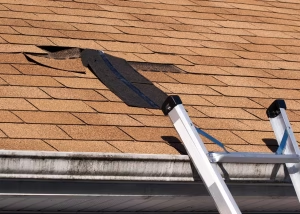
Shingle roofs in this area face specific challenges tied to our climate and the age of housing stock around here. Aging shingles are the most common issue. Most homes in Fairfield have roofs that are 15-25 years old, and they’re approaching the end of their useful life. You’ll see granules washing off, shingles curling or cupping at the edges, and some starting to blow off in wind. Once a roof gets to this point, roof repairs and replacements make more sense than constant patching. Wind damage from storms happens multiple times each year. High winds lift shingle edges and break the adhesive seal, especially on older roofs. Once shingles start blowing off regularly, it’s usually a sign the roof is getting old and vulnerable. Ice dam damage from winter is brutal on shingle roofs. When snow melts and refreezes at the eaves, it creates ice that forces water up under the shingles. Poor attic insulation and ventilation make it worse. Proper ice and water shield provides protection, but many older roofs don’t have adequate coverage. Moss and algae growth is common on north-facing roof sections that stay shaded. Those dark streaks you see on roofs aren’t dirt—they’re algae that feeds on the limestone in shingles. It’s mostly cosmetic, but heavy moss growth can lift shingle edges and hold moisture against the roof. Poor ventilation shortens shingle life significantly. Attics that trap heat cause shingles to age faster from the underside. Many homes built in the ’50s-’70s have inadequate ventilation that needs to be upgraded. Failed flashing around chimneys, skylights, and vents causes more leaks than damaged shingles. Aluminum flashing rusts through after 20-30 years, and cheap installation methods fail even sooner. All of these problems are fixable. Some need roof repairs, others need full replacement, but knowing what you’re dealing with is the first step.