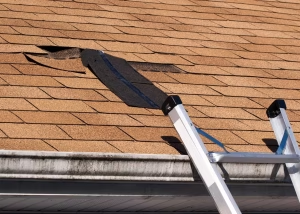
Essex County weather is tough on all roofs, but slate handles it better than anything else—when it’s installed and maintained properly. Slipped or missing tiles happen when fasteners corrode or fail. Copper nails last the longest, but even copper eventually oxidizes. When tiles slip out of position or fall off, water gets under the remaining tiles and damages the underlayment and deck. Broken tiles come from impact damage—falling branches, severe hail, or someone walking on the roof incorrectly. Slate is durable but brittle. Step on it wrong and it cracks. Once tiles break, they need replacement before water damage spreads. Flashing failures are the most common source of slate roof leaks. The slate itself is fine, but aluminum or steel flashing installed 30-40 years ago has rusted through. This is especially common around chimneys and in valleys. Structural issues happen when slate roofs are installed on structures that weren’t designed for the weight. Sagging roof decks, overstressed rafters, and settling are signs the structure can’t support the slate properly. Underlayment deterioration happens because underlayment doesn’t last as long as slate. After 50-75 years, even the best underlayment breaks down. If underlayment fails, you need to remove and reset the slate to install new underlayment—a major job but necessary. Walking damage from careless contractors or homeowners who don’t understand slate. Walking directly on slate tiles cracks them. Proper slate work requires ladders, hooks, and knowing where you can step safely. Improper repairs by contractors who don’t understand slate cause more problems. Using wrong fasteners, applying tar or sealant, or installing tiles incorrectly damages slate roofs and creates leaks where none existed before. All of these problems are fixable by experienced slate roof specialists who know what they’re doing.